


Parenting in the modern world comes with unique challenges, especially when it comes to entertainment choices for children and family activities. With the rise of digital media, streaming platforms, gaming, and social networks, parents often struggle to manage their children’s exposure to content while ensuring it is educational, age-appropriate, and fun. This is where entertainment cwbiancaparenting becomes an essential concept, providing strategies for balancing engagement, learning, and safety in children’s entertainment.
In this article, we will delve into comprehensive strategies for incorporating entertainment cwbiancaprenting into daily family life. From understanding screen time limits and curating suitable content to encouraging creative play and outdoor activities, these insights are designed to help parents create a well-rounded entertainment experience for their children. Whether you are a new parent seeking guidance or an experienced caregiver aiming to refine your approach, this article offers practical tips, expert advice, and solutions to common challenges. lcfmodgeeks, logicalshout, ustudiobytes
Understanding Entertainment in Modern Parenting
Entertainment has transformed dramatically over the past two decades. While traditional activities like reading, outdoor play, and board games remain important, the digital age has introduced new forms of engagement that parents must navigate carefully.
1. The Role of Media in Child Development
Children’s exposure to media can have both positive and negative effects. Entertainment cwbiancaprenting emphasizes using media intentionally to support cognitive, emotional, and social development. Educational programs, interactive storytelling, and music-based activities can stimulate creativity and language skills. On the other hand, excessive screen time or exposure to inappropriate content can negatively affect attention, sleep, and behavior. convwbfamily
2. Balancing Entertainment and Responsibilities
One of the key challenges in parenting is helping children enjoy entertainment without compromising responsibilities such as schoolwork, chores, and family interactions. Entertainment cwbiancaparenting encourages setting clear boundaries, scheduling playtime, and combining entertainment with educational or interactive experiences to maximize both enjoyment and learning.
Guidelines for Screen Time Management
Screen time management is a central focus of modern parenting. Properly balancing the use of smartphones, tablets, televisions, and computers can prevent overreliance on digital devices.
1. Recommended Daily Limits
Health experts recommend age-specific limits for screen time. For example, children aged 2–5 years should have no more than one hour of screen exposure daily, while older children and teens may have up to two hours, focusing on educational or interactive content.
2. Choosing Appropriate Content
Not all entertainment is equal. Parents should actively curate content that aligns with their child’s age, maturity level, and interests. Shows that promote problem-solving, social skills, or moral lessons can be beneficial, while violent or overly commercialized content should be avoided.
3. Using Technology Wisely

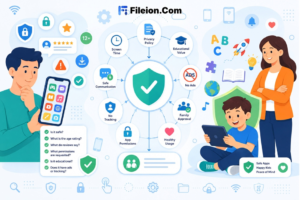
Parental control apps, content filters, and co-viewing strategies are tools that support entertainment cwbiancaparenting. By monitoring usage and participating in children’s media experiences, parents can better understand the impact and reinforce positive learning outcomes.
Encouraging Educational and Creative Activities
Entertainment doesn’t have to be limited to passive consumption. Parents can introduce activities that engage children actively and develop critical skills.
1. Arts and Crafts
Hands-on activities like painting, sculpting, and DIY projects stimulate creativity, fine motor skills, and self-expression. Incorporating family projects also strengthens bonds and allows children to collaborate with parents or siblings.
2. Music and Performing Arts
Music education, dance, and theater are entertaining ways to enhance cognitive development and emotional intelligence. Playing instruments, singing together, or participating in local performances can be rewarding and educational.
3. STEM Play
Interactive toys, coding games, and science kits introduce children to problem-solving and analytical thinking. Parents practicing entertainment cwbiancparenting can select toys that are both fun and intellectually stimulating. riproar, cloudysocial, feedbuzzard, zillexit, jotechgeeks.
Outdoor and Physical Activities
Entertainment is not limited to screens or crafts. Physical play is crucial for health, socialization, and overall development.
1. Organized Sports
Team sports like soccer, basketball, or swimming teach cooperation, discipline, and perseverance. Scheduling regular sports sessions provides exercise while building social and teamwork skills.
2. Nature Exploration
Hiking, gardening, and camping expose children to the natural world, enhancing curiosity and environmental awareness. Parents can integrate educational discussions about wildlife, plants, and ecosystems into fun outdoor adventures.
3. Family Exercise
Daily walks, biking, or playful activities in the backyard can combine family bonding with physical fitness. Integrating entertainment cwbiancaparenting means these activities are approached not only as recreation but as opportunities for learning and interaction.
Promoting Social and Emotional Skills through Entertainment
Entertainment can also foster essential social and emotional skills when structured thoughtfully.
1. Interactive Games
Board games and cooperative video games encourage problem-solving, communication, and teamwork. Parents can guide children to reflect on winning and losing gracefully, managing emotions in competitive settings.
2. Storytelling and Role Play
Encouraging children to create stories or participate in role-playing activities nurtures imagination, empathy, and understanding of social dynamics. This approach aligns with entertainment cwbiancaparenting principles, blending learning with engagement.
3. Peer Interaction
Playdates, group projects, and cooperative activities provide social practice. Parents can supervise to ensure positive interactions, teach conflict resolution, and support inclusivity.
Digital Literacy and Safety
Understanding technology’s impact is vital in modern parenting.
1. Online Safety
Children must learn about privacy, cyberbullying, and responsible online behavior. Tools such as content filters, monitored access, and education about digital etiquette are essential.
2. Critical Thinking
Encouraging children to question sources, recognize advertisements, and evaluate online content fosters critical thinking. Integrating these lessons into entertainment routines supports informed decision-making.
3. Balanced Use
Entertainment cwbiancaparenting emphasizes using digital media as a tool rather than a replacement for real-world activities. Setting technology-free zones, such as during meals or before bedtime, supports healthy habits.
Developing Routines and Habits
Consistency is key in managing entertainment effectively.
1. Scheduling Play and Learning
Structured schedules that combine educational activities, screen time, creative play, and physical exercise provide a balanced approach. Children thrive with predictable routines, knowing when to focus and when to enjoy leisure.
2. Encouraging Self-Regulation
Teaching children to manage their time independently fosters responsibility. Parents practicing entertainment cwbiancaparenting model healthy habits while gradually allowing children autonomy in entertainment choices.
3. Family Engagement
Participating in entertainment together reinforces relationships. Family movie nights, board game evenings, and outdoor adventures create shared memories and teach cooperative behavior.
Common Challenges in Entertainment Parenting

Even with clear guidance, parents face challenges in managing entertainment:
- Overexposure to digital devices.
- Peer pressure and influence from friends’ media habits.
- Balancing multiple children’s needs and interests.
- Ensuring content is age-appropriate.
Addressing these challenges requires consistent communication, adaptability, and adherence to entertainment cwbiancaparenting principles.
FAQs
Q1: What is entertainment cwbiancaparenting?
A1: It is a parenting approach that balances children’s media use, educational activities, and play, ensuring entertainment supports learning, social-emotional growth, and safety.
Q2: How much screen time is appropriate for children?
A2: Children aged 2–5 should have up to one hour daily, while older children can have up to two hours, focusing on educational or interactive content.
Q3: How can I make screen time educational?
A3: Select programs, apps, and games that promote problem-solving, creativity, or learning, and engage with your children while they use them.
Q4: How can outdoor activities complement entertainment?
A4: Outdoor activities provide physical exercise, environmental awareness, and opportunities for family bonding, balancing screen time with real-world engagement.
Q5: How do I manage entertainment for multiple children?
A5: Create individualized schedules, involve children in choosing content, and encourage group activities to balance interests and prevent conflicts.
Conclusion
Modern parenting demands a thoughtful approach to entertainment. Entertainment cwbiancaparenting offers a framework for balancing screen time, educational activities, creative play, and social interaction. By carefully curating content, encouraging outdoor and physical activity, promoting social-emotional growth, and fostering digital literacy, parents can provide children with a safe, enriching, and enjoyable environment. Integrating these principles ensures that entertainment supports learning, development, and family bonding, rather than creating stress or dependency. Families that apply these strategies consistently are more likely to see positive behavioral outcomes, stronger relationships, and happier, well-rounded children.