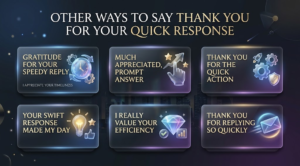


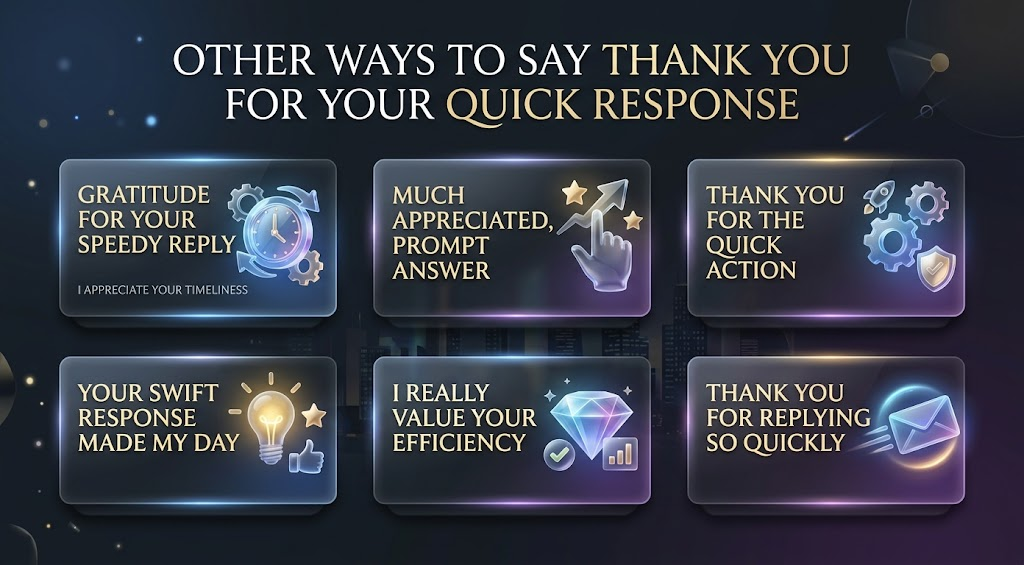
Responding with gratitude is an important part of professional and personal communication. Whether someone replies to your email, message, or request within minutes, acknowledging their promptness helps strengthen relationships and leaves a positive impression. While the phrase “thank you for your quick response” is polite and commonly used, repeating it too often can make your communication feel repetitive. Learning Other Ways To Say Thank You For Your Quick Response allows you to express appreciation in a more natural, thoughtful, and engaging way.
Using different expressions also helps you match the tone of your conversation. A formal email to a client requires different wording than a friendly message to a coworker or friend. The right phrase can make your gratitude sound sincere while keeping your communication fresh. This guide explores professional, casual, and creative alternatives you can confidently use in different situations.
Why Expressing Gratitude for a Fast Reply Matters
People appreciate having their time and effort recognized. When someone responds quickly, they often prioritize your request despite having other responsibilities. A simple acknowledgment encourages positive communication and builds mutual respect.
Showing appreciation also strengthens workplace relationships. Clients, colleagues, managers, and business partners are more likely to continue responding promptly when they know their efforts are valued. Gratitude creates a cooperative environment where communication becomes smoother and more productive.
Using thoughtful alternatives instead of repeating the same sentence demonstrates strong communication skills. It reflects professionalism, emotional intelligence, and attention to detail, which are valuable qualities in both personal and business interactions.
Professional Alternatives You Can Use
Professional emails require polite and respectful language. Choosing the right wording helps maintain credibility while expressing genuine appreciation. These alternatives work well in formal business conversations.
Consider phrases such as “I appreciate your prompt reply,” “Thank you for getting back to me so quickly,” “I truly appreciate your timely response,” or “Thank you for addressing my request so promptly.” Each option communicates gratitude while maintaining a polished tone.
Friendly and Casual Alternatives
Not every conversation needs formal wording. Friends, teammates, and familiar coworkers often appreciate messages that sound relaxed and conversational. Casual expressions can feel warmer and more personal.
You might say, “Thanks for replying so fast,” “I really appreciate your quick message,” “You’re incredibly fast—thanks,” or “Thanks for getting back to me so soon.” These alternatives are friendly without losing their sincere meaning.
Formal Expressions for Business Emails
Business communication often requires language that is respectful and concise. Selecting appropriate words helps create a professional impression and keeps your email polished.
Examples include “Your prompt attention is greatly appreciated,” “Thank you for your swift response,” “I appreciate your immediate assistance,” and “Many thanks for your efficient reply.” These phrases are ideal when communicating with clients, executives, or business partners.
Warm Alternatives for Customer Service
Customer service representatives often respond quickly to questions or concerns. Expressing gratitude politely can encourage continued excellent service while maintaining a respectful relationship.
Good options include “Thank you for your prompt assistance,” “I appreciate your speedy support,” “Thank you for helping me so quickly,” and “Your fast response is greatly appreciated.” These phrases recognize both the response time and the helpfulness provided.
Polite Responses for Workplace Communication
Workplace communication benefits from appreciation because employees often collaborate under tight deadlines. Acknowledging quick replies promotes teamwork and encourages efficient communication.
Useful examples include “Thank you for your timely update,” “I appreciate your prompt feedback,” “Thanks for responding so efficiently,” and “Your quick reply made this process much easier.” These phrases remain professional while sounding friendly.
Creative Alternatives That Sound Natural
Sometimes you want your appreciation to stand out instead of sounding like every other email. Creative wording adds personality while remaining respectful and sincere.
Try expressions such as “I appreciate your lightning-fast reply,” “Thank you for your amazingly quick response,” “Your prompt reply made my day easier,” or “Thanks for jumping on this so quickly.” These alternatives sound fresh without becoming overly casual.
Examples for Client Communication
Clients value professional communication that is warm and appreciative. Thanking them for responding quickly helps build trust and encourages future collaboration.
You could write, “Thank you for your prompt response. It helps us move forward efficiently,” or “I truly appreciate your quick feedback and continued cooperation.” These examples combine gratitude with professionalism and clarity.
Better Phrases for Team Collaboration
Working with a team often requires frequent updates and rapid communication. Expressing appreciation motivates teammates and contributes to a supportive work environment.
You may say, “Thanks for getting back to me so quickly,” “I appreciate your immediate update,” “Your fast response helped keep the project on schedule,” or “Thank you for your quick support.” These responses recognize the value of teamwork.
Alternatives for Managers and Supervisors
When communicating with supervisors, respectful language is essential. Thanking them for responding quickly demonstrates professionalism and appreciation for their guidance.
Suitable examples include “Thank you for your prompt guidance,” “I appreciate your quick feedback,” “Thank you for reviewing this so quickly,” and “Your timely response is greatly appreciated.” These expressions remain respectful without sounding overly formal.
Phrases for Friends and Family
Personal conversations allow for warmer and more relaxed language. Friends and family usually appreciate messages that sound genuine rather than overly polished.
Examples include “Thanks for answering so quickly,” “I really appreciate your fast reply,” “You’re always so quick to respond—thank you,” and “Thanks for getting back to me right away.” These phrases feel sincere and conversational.
Mistakes to Avoid When Saying Thanks
While expressing gratitude is important, repeating identical wording in every conversation can become monotonous. Varying your language keeps your communication engaging and authentic.
Avoid overly dramatic praise unless it matches the situation. Likewise, don’t make your thank-you message unnecessarily long. A brief, genuine acknowledgment often feels more meaningful than an exaggerated compliment.
Tips for Choosing the Right Expression
Think about your audience before selecting a phrase. Formal workplaces usually require professional language, while close colleagues and friends appreciate casual expressions.
Consider the communication channel as well. Emails often benefit from polished wording, while instant messages can sound more relaxed. Matching your tone to the situation makes your gratitude feel more natural.
Sample Email Examples
A professional email might say, “Thank you for your prompt response. I appreciate your assistance and look forward to the next steps.” This message is concise, respectful, and suitable for most business situations.
A casual message could read, “Thanks for getting back to me so quickly. I really appreciate it!” This version sounds friendly while still expressing genuine gratitude for the person’s timely reply.
When to Use Different Alternatives
Different situations call for different expressions of thanks. Formal meetings, customer interactions, academic discussions, and workplace emails often require polished language that reflects professionalism.
Personal chats, social media conversations, and messages between friends allow more relaxed wording. Choosing the appropriate phrase ensures your appreciation feels genuine and fits naturally within the conversation.
Building Stronger Relationships Through Appreciation
Consistently thanking people for their prompt responses helps create stronger professional and personal relationships. Small expressions of gratitude show respect, encourage cooperation, and leave lasting positive impressions.
People naturally enjoy helping those who acknowledge their efforts. By using thoughtful alternatives instead of repeating the same sentence every time, your communication becomes warmer, more memorable, and more effective.
Conclusion
Learning Other Ways To Say Thank You For Your Quick Response helps improve both professional and personal communication. Whether you’re writing an email, replying to a client, thanking a coworker, or chatting with a friend, using varied expressions makes your gratitude sound more sincere and engaging.
The best appreciation is always genuine and suited to the situation. By choosing phrases that match your audience and communication style, you can express thanks naturally while strengthening relationships. Expanding your vocabulary ensures every message feels fresh, thoughtful, and professional, making your conversations more positive and meaningful.