


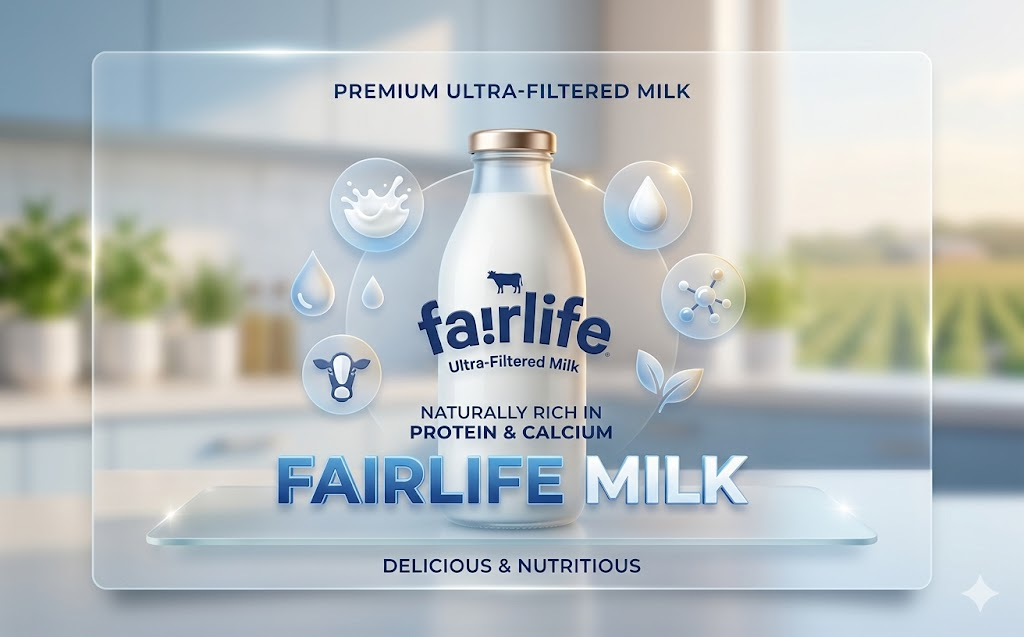
Fairlife Milk has become one of the most popular modern dairy choices for people who want higher protein, lower sugar, and better digestibility compared to regular milk. Over the past decade, it has gained attention from fitness enthusiasts, health-conscious consumers, and even families looking for a more balanced dairy option. Unlike traditional milk, it is processed using advanced filtration methods that change its nutritional composition without removing essential nutrients like calcium and protein. This unique approach makes it stand out in the crowded dairy market and has led many people to switch from standard milk to this upgraded version for everyday use.
What is Fairlife Milk and How It Is Made
Fairlife Milk is an ultra-filtered milk that goes through a specialized cold-filtration process. During this process, the milk is separated into its basic components: water, fat, lactose, minerals, and proteins. The filtration system then concentrates the protein and calcium while reducing sugar (lactose). After this separation, the components are recombined in specific ratios to create a more nutrient-dense product.
The result is milk that contains more protein and calcium per serving while having significantly less sugar than conventional milk. Another important feature is that it is lactose-reduced, which makes it easier to digest for people who are lactose-sensitive. The brand also focuses on maintaining a creamy taste, so despite the filtration, the milk still feels rich and smooth.
Nutritional Profile and Health Benefits
One of the biggest reasons people choose Fairlife Milk is its strong nutritional profile. Compared to regular milk, it often contains nearly double the protein and about half the sugar. This makes it an appealing choice for those trying to improve their diet quality.
The high protein content supports muscle growth, recovery, and overall body repair. This is especially beneficial for athletes and people who engage in regular exercise. Calcium levels remain high, which helps maintain strong bones and teeth. Vitamin D is often added to support calcium absorption and boost immune health.
Another benefit is improved digestion. Since lactose is reduced during filtration, many people who experience discomfort from regular milk find Fairlife easier on their stomach. It can be a suitable option for those who are mildly lactose intolerant but still want to consume dairy without discomfort.
Additionally, the lower sugar content can help support better blood sugar management, making it a more balanced choice for individuals monitoring their sugar intake.
Comparison with Regular Milk
When comparing Fairlife Milk to standard milk, the differences are quite noticeable. Regular milk naturally contains lactose, which contributes to its sugar content. It also has a standard protein level that varies depending on fat content (whole, 2%, or skim).
Fairlife Milk, on the other hand, is engineered to provide more protein per serving while reducing sugar content through filtration. This makes it more nutrient-dense without increasing calories significantly. In terms of taste, regular milk has a more traditional dairy flavor, while Fairlife is often described as slightly creamier and smoother.
From a digestion perspective, regular milk may cause bloating or discomfort for lactose-sensitive individuals. Fairlife reduces this issue due to its lower lactose content. However, both types of milk still provide essential nutrients like calcium, potassium, and vitamin D.
Overall, the choice between the two depends on personal health goals. If someone wants a traditional option, regular milk is fine. But for those aiming for higher protein and lower sugar, Fairlife Milk offers a modern alternative.
Uses in Daily Diet
Fairlife Milk can easily be included in everyday meals and drinks. Many people use it in coffee, tea, smoothies, and protein shakes. Its creamy texture makes it suitable for breakfast cereals and oatmeal as well.
For fitness enthusiasts, it can be blended with fruits and protein powder to create high-protein shakes that support muscle recovery. It also works well in baking recipes such as pancakes, muffins, and cakes, where it adds moisture and richness.
Parents often include it in children’s diets as a way to provide extra protein and calcium in a simple form. Because it tastes similar to regular milk, most kids accept it without difficulty. It can also be consumed on its own as a refreshing drink at any time of the day.
Is Fairlife Milk Good for Weight Loss and Fitness
Fairlife Milk is often recommended for people focusing on weight management or fitness goals. The higher protein content helps increase satiety, meaning it can make you feel full for longer periods. This may help reduce unnecessary snacking throughout the day.
Protein also plays a key role in muscle building and recovery, making it especially useful after workouts. Athletes and gym-goers often include it in post-exercise nutrition plans to support muscle repair.
The lower sugar content is another advantage for weight-conscious individuals. Since excessive sugar intake can contribute to weight gain, having a reduced-sugar milk option can help maintain better calorie control. However, it is still important to consume it as part of a balanced diet rather than relying on it as a sole weight-loss solution.
Potential Concerns and Considerations
While Fairlife Milk offers many benefits, there are still a few considerations to keep in mind. First, it is typically more expensive than regular milk due to its advanced processing method. This can be a factor for households on a tight budget.
Second, although it is lactose-reduced, it is not completely lactose-free in most versions. People with severe lactose intolerance should still check labels carefully or consult dietary guidance before consumption.
Some consumers also prefer less processed foods and may choose traditional milk for that reason. While Fairlife Milk is nutritionally enhanced, it does go through additional processing steps compared to standard dairy products.
Lastly, availability may vary depending on location, so it may not always be as easily accessible as regular milk in every store.
Availability and Storage Tips
Fairlife Milk is widely available in supermarkets, grocery stores, and online retail platforms in many countries. It is usually stored in refrigerated sections alongside other dairy products. Because it is still a dairy item, proper storage is essential to maintain freshness and quality.
It should always be kept refrigerated and consumed before the expiration date. Once opened, it is best to finish it within a few days to ensure optimal taste and safety. Keeping the container tightly closed helps prevent contamination and maintains freshness.
For households that consume milk regularly, buying in appropriate quantities can help avoid waste while ensuring a constant supply of fresh product.
Conclusion
Fairlife Milk represents a modern innovation in the dairy industry, offering a more nutrient-focused version of traditional milk. With higher protein, lower sugar, and improved digestibility, it appeals to a wide range of consumers including athletes, health-conscious individuals, and families. While it may come at a slightly higher cost, its nutritional advantages make it a strong alternative to regular milk for those seeking better dietary balance. As with any food product, the best choice depends on individual health needs and lifestyle preferences, but Fairlife Milk continues to stand out as a premium dairy option in today’s market.