

Think about the last time you discovered a new brand while scrolling through your phone or walking down a busy city street. Before you read a single product description or checked a price tag, you likely made an instantaneous judgment based on a shape, a color, or a font. We often say “don’t judge a book by its cover,” but in the high-stakes world of modern business, the cover is exactly what people use to decide if they should bother opening the book at all. A great visual identity acts as a silent ambassador, communicating your values, your industry, and your level of professionalism in a fraction of a second.
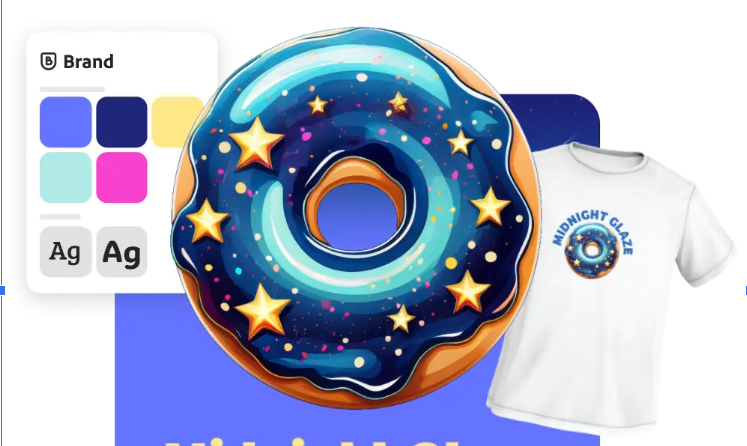
For many entrepreneurs and side-hustlers, the transition from a great idea to a tangible business can feel stalled by the “design wall.” You know your mission, but translating that energy into a sleek, memorable mark usually requires a massive budget or years of technical training. This is where the landscape of creativity has fundamentally shifted. Rather than spending weeks iterating on sketches or depleting your startup capital on a specialized agency, an AI logo generator from Adobe can help bridge the gap between a raw concept and a polished, professional identity. By automating the technical heavy lifting, these tools allow you to focus on the “why” of your brand, ensuring that your first digital handshake is as confident as it is creative.
The Psychology of Minimalist Design
In 2026, the trend of “blanding”—the move toward ultra-simple, sans-serif identities—is finally being replaced by a return to personality. However, the core principle of minimalism remains: clarity is king. A successful visual mark needs to work as well on a tiny favicon in a browser tab as it does on a massive highway billboard.
When a design is too cluttered, the brain struggles to categorize it. On the other hand, when a brand uses balanced geometry and intentional color theory, it creates a sense of stability and trust. Think of iconic marks like the Nike swoosh or the Apple silhouette. They aren’t just shapes; they are vessels for the brand’s story. Your goal is to create a visual shorthand that triggers a specific emotional response in your target audience.
3 Pillars of a Timeless Brand Identity
If you want your visual presence to stand the test of time, you need to look beyond current fads and focus on these foundational elements:
1. Color Theory and Emotional Resonance
Colors aren’t just decorative; they are psychological triggers. Blue often conveys trust and corporate stability (think Dell or LinkedIn), while orange radiates energy and playfulness (like Fanta or Nickelodeon). Before you settle on a palette, ask yourself: How do I want my customers to feel? If you are a high-end skincare line, muted earth tones or “clean” whites might be more effective than neon greens.
2. Scalability and Versatility
A common mistake is creating a beautiful, intricate illustration that looks like a muddy smudge when shrunk down for a business card or a social media profile picture. Test your designs at multiple sizes. If the core “personality” of the mark disappears when it’s small, it’s too complex.
3. Distinctiveness in a Crowded Market
It is tempting to look at what your competitors are doing and try to fit in. However, the point of a brand identity is to stand out. If every coffee shop in your neighborhood uses a brown bean as their icon, using a different botanical element or a unique typographic treatment can make you the “interesting” choice in a sea of “same.”
Moving from Concept to Reality: A Step-by-Step Guide
Creating your own identity is an iterative process. It’s rarely a “one and done” situation. Here is a practical workflow to get from a blank screen to a final asset:
- Phase 1: The Mood Board. Don’t start with drawing. Start with curation. Collect images, textures, and existing typography that feel like the “vibe” of your business. This creates a visual north star.
- Phase 2: Keyword Generation. Write down five adjectives that describe your brand (e.g., “fast,” “elegant,” “rugged,” “scientific,” “warm”). Use these keywords as prompts when you begin using design software.
- Phase 3: The Black and White Test. A truly great design should be recognizable even without color. If your mark relies entirely on a gradient to look good, it might fail in certain print formats or on different backgrounds.
- Phase 4: Feedback Loops. Show your draft to three people who are not your friends or family. Ask them, “What kind of business do you think this is?” If their answer matches your intent, you’re on the right track.
The Role of Human Intuition in an Automated World
While technology has made the “how” of design much easier, the “what” and the “who” remain human responsibilities. A tool can give you a thousand options, but only you know the heart of your business. The most successful modern brands are those that combine the efficiency of modern tech with a deeply personal, human-centric story.
Whether you are launching a sustainable fashion line, a local consultancy, or a global tech platform, your visual identity is the anchor for everything that follows. It dictates your website layout, your packaging, and even the tone of your social media posts.
Final Thoughts on Visual Strategy
Investing time into your brand’s visual foundation isn’t just about “looking pretty.” It’s a strategic business move. A professional look allows you to command higher prices, build faster trust with strangers, and create a sense of internal pride for your team.
In a world where attention is the rarest resource, having a clear, compelling visual identity ensures that when people finally look your way, they like what they see. The tools to build something incredible are closer than they’ve ever been—now, it’s just a matter of taking that first step toward bringing your vision to life.
Would you like me to help you refine your brand’s mission statement or suggest a specific color palette tailored to your industry?